These beautiful Baobab Tree statues, also known as the Tree of Life, are handcrafted from natural banana fiber.
The baobab is a prehistoric species that existed long before mankind and even before the continents separated over 200 million years ago. Native to the dry, arid African savannah, it stands as a powerful symbol of life, strength, and positivity in landscapes where little else can survive.
Over thousands of years, the baobab has uniquely adapted to its environment. As a succulent tree, it absorbs and stores water in its massive trunk during the rainy season, allowing it to produce nutrient-rich fruit during times of drought. This remarkable ability is what earned it the name “The Tree of Life.”
Baobab trees grow across 32 African countries and can live for up to 5,000 years. They can reach heights of 30 meters and an impressive 50 meters in circumference. Providing shelter, food, and water for both people and animals, the baobab has long been a central part of life in many savannah communities, with villages often built nearby.
These beautiful Baobab Tree statues, also known as the Tree of Life, are handcrafted from natural banana fiber.
The baobab is a prehistoric species that existed long before mankind and even before the continents separated over 200 million years ago. Native to the dry, arid African savannah, it stands as a powerful symbol of life, strength, and positivity in landscapes where little else can survive.
Over thousands of years, the baobab has uniquely adapted to its environment. As a succulent tree, it absorbs and stores water in its massive trunk during the rainy season, allowing it to produce nutrient-rich fruit during times of drought. This remarkable ability is what earned it the name “The Tree of Life.”
Baobab trees grow across 32 African countries and can live for up to 5,000 years. They can reach heights of 30 meters and an impressive 50 meters in circumference. Providing shelter, food, and water for both people and animals, the baobab has long been a central part of life in many savannah communities, with villages often built nearby.

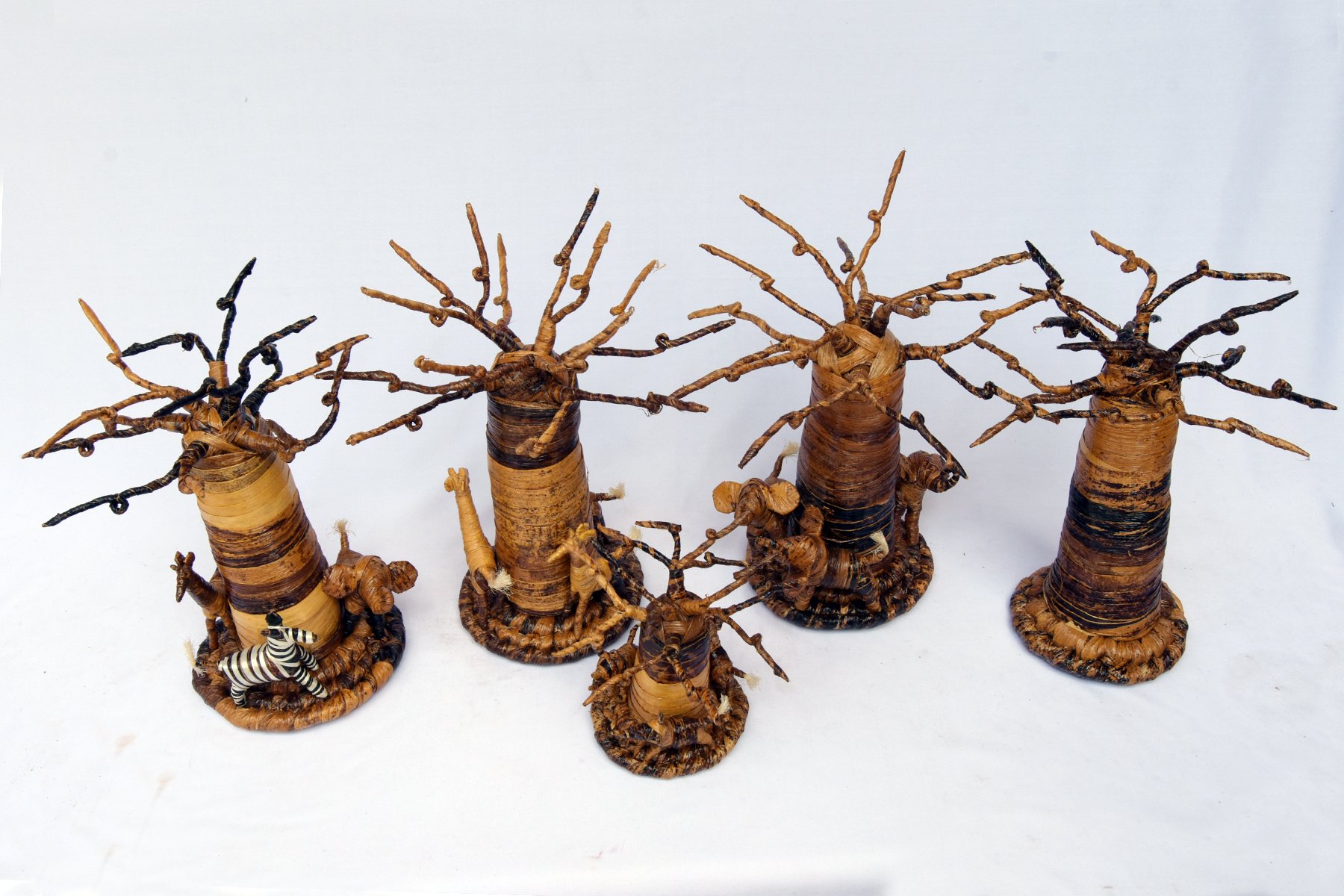 Image 1 of 8
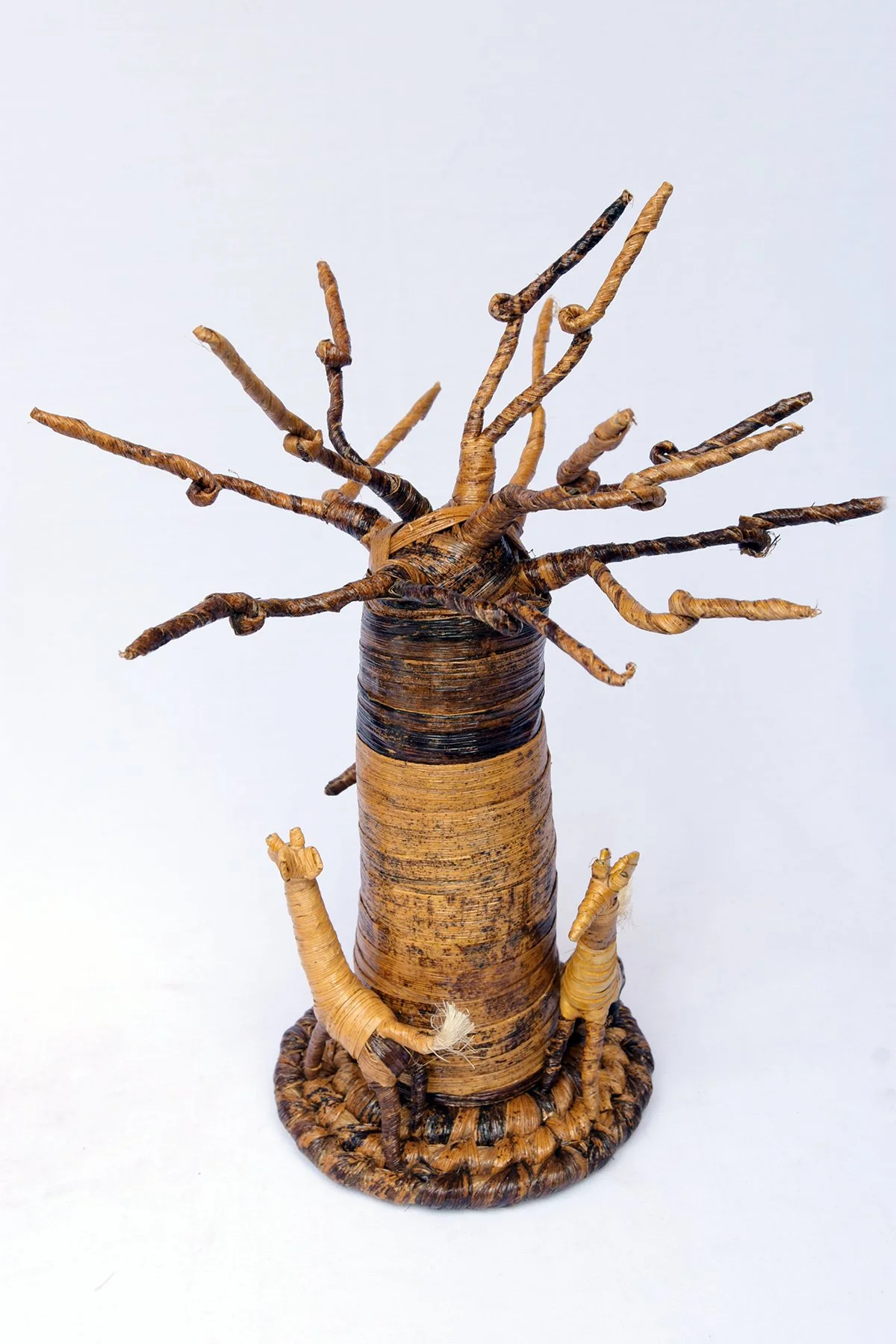 Image 2 of 8
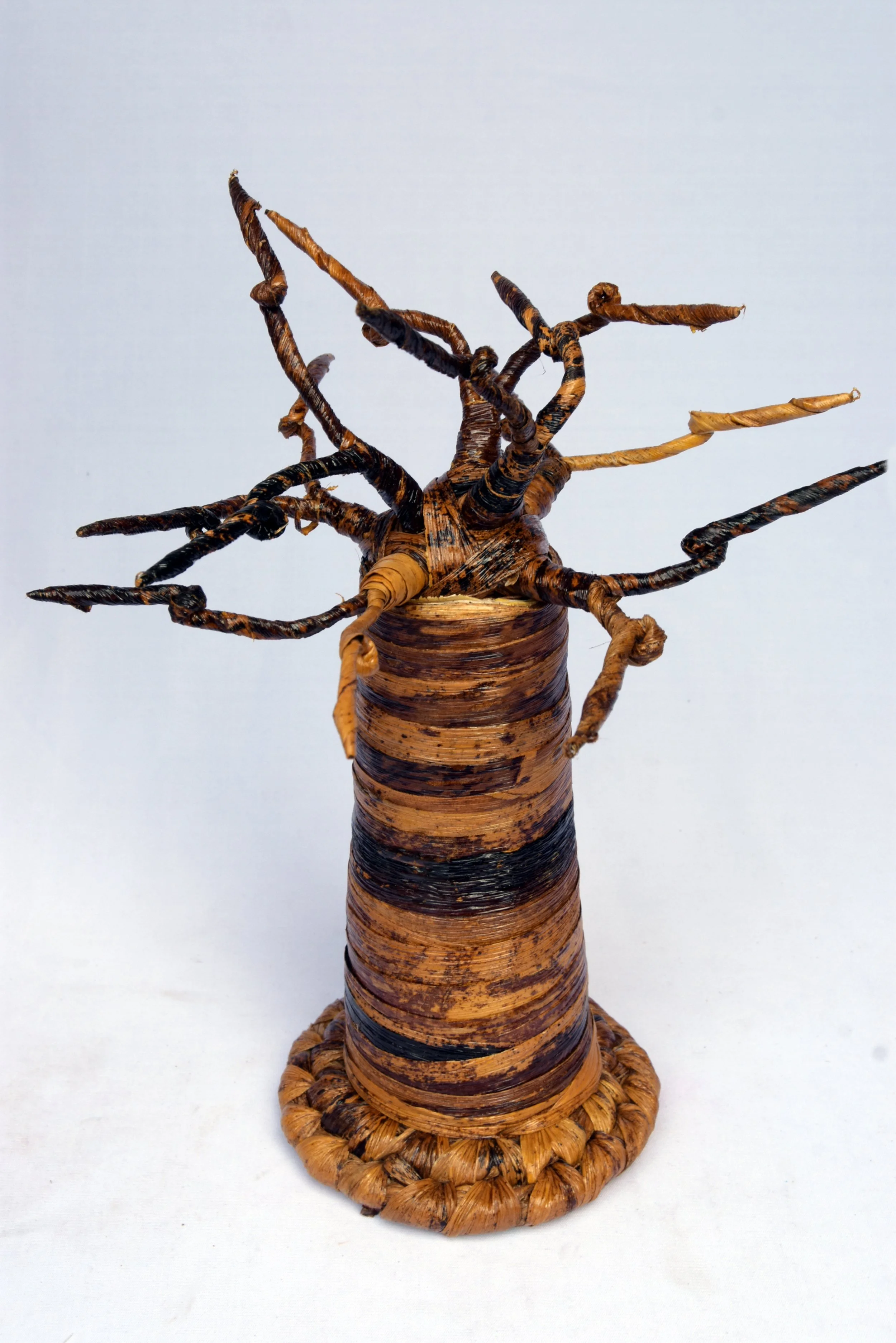 Image 3 of 8
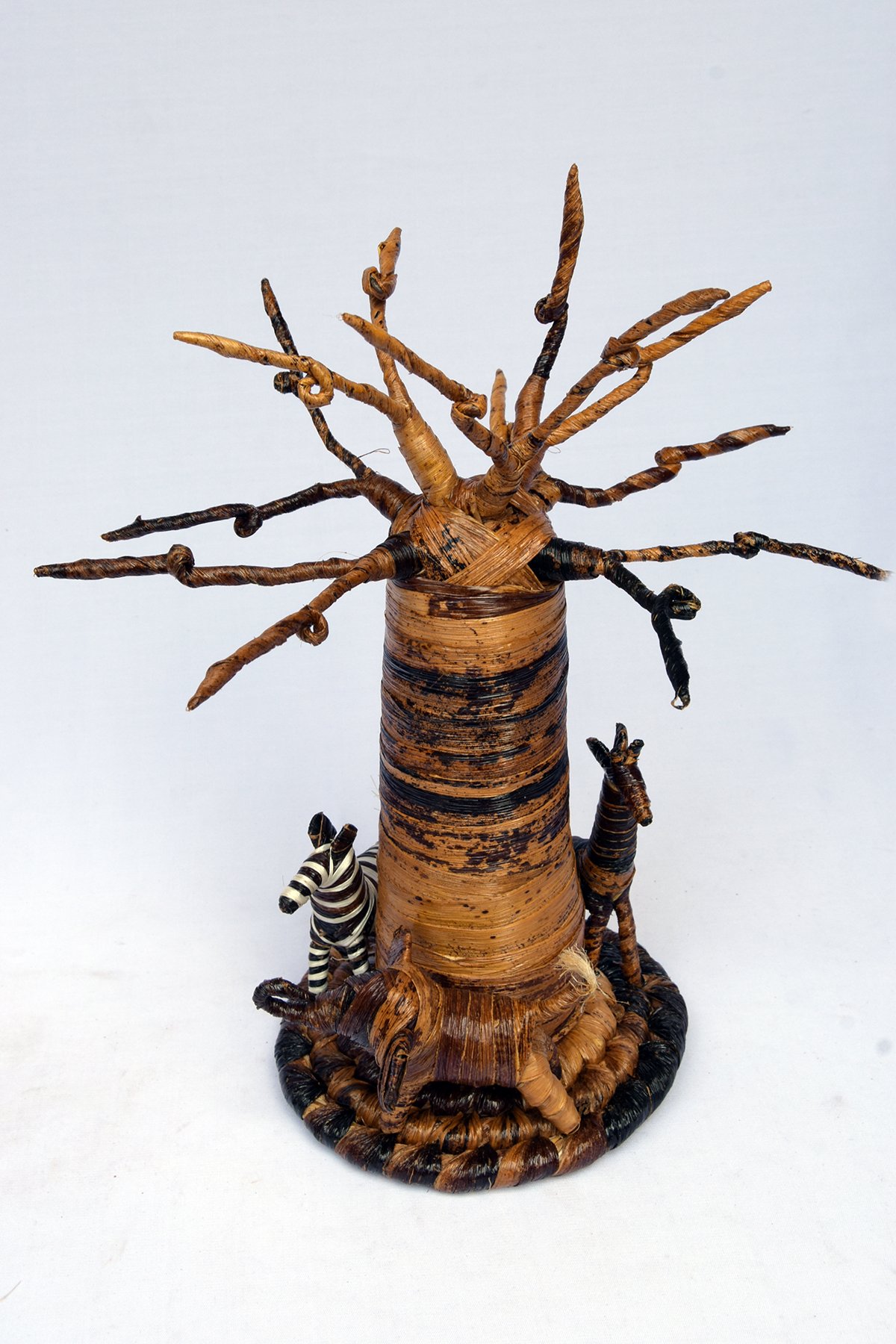 Image 4 of 8
 Image 5 of 8
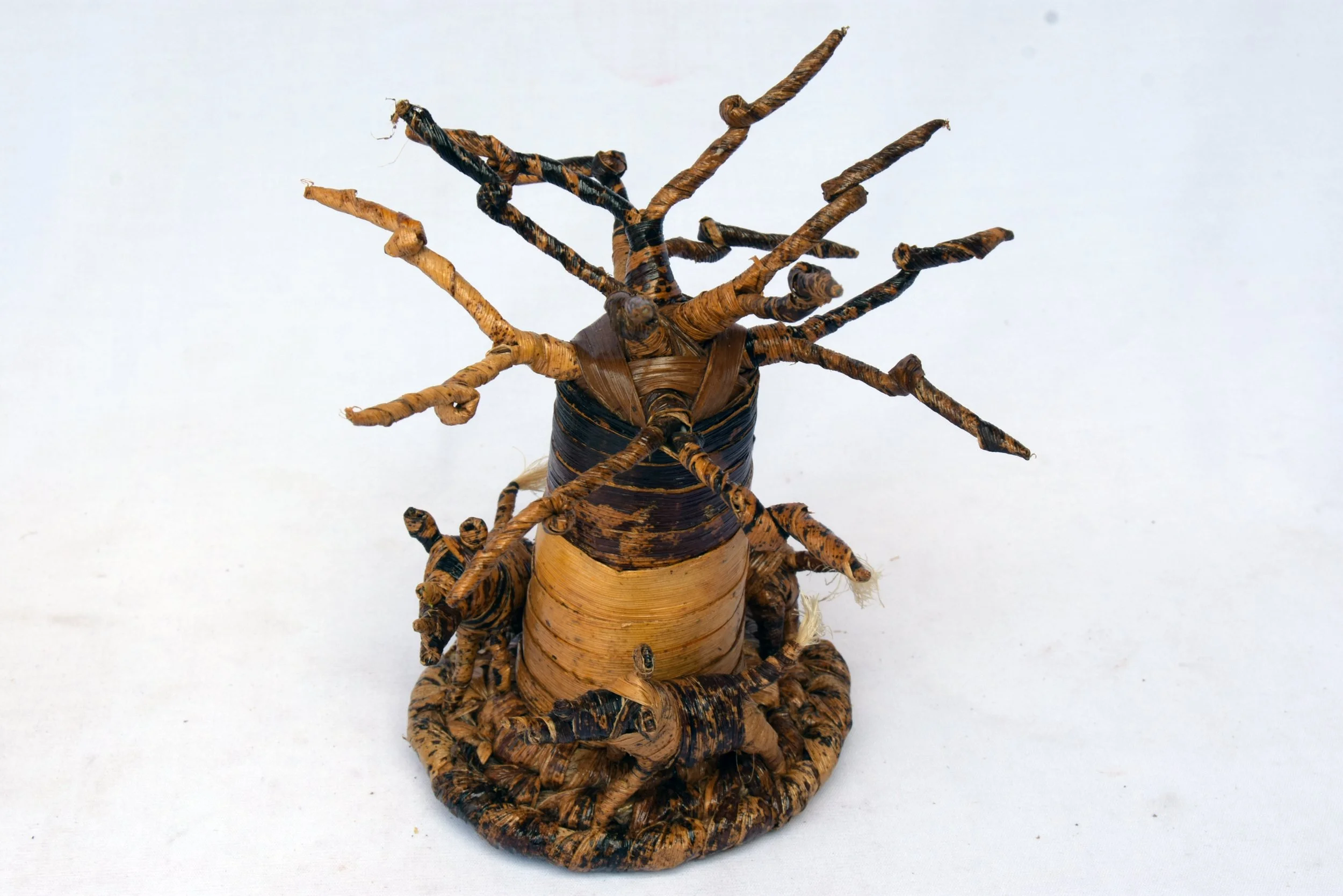 Image 6 of 8
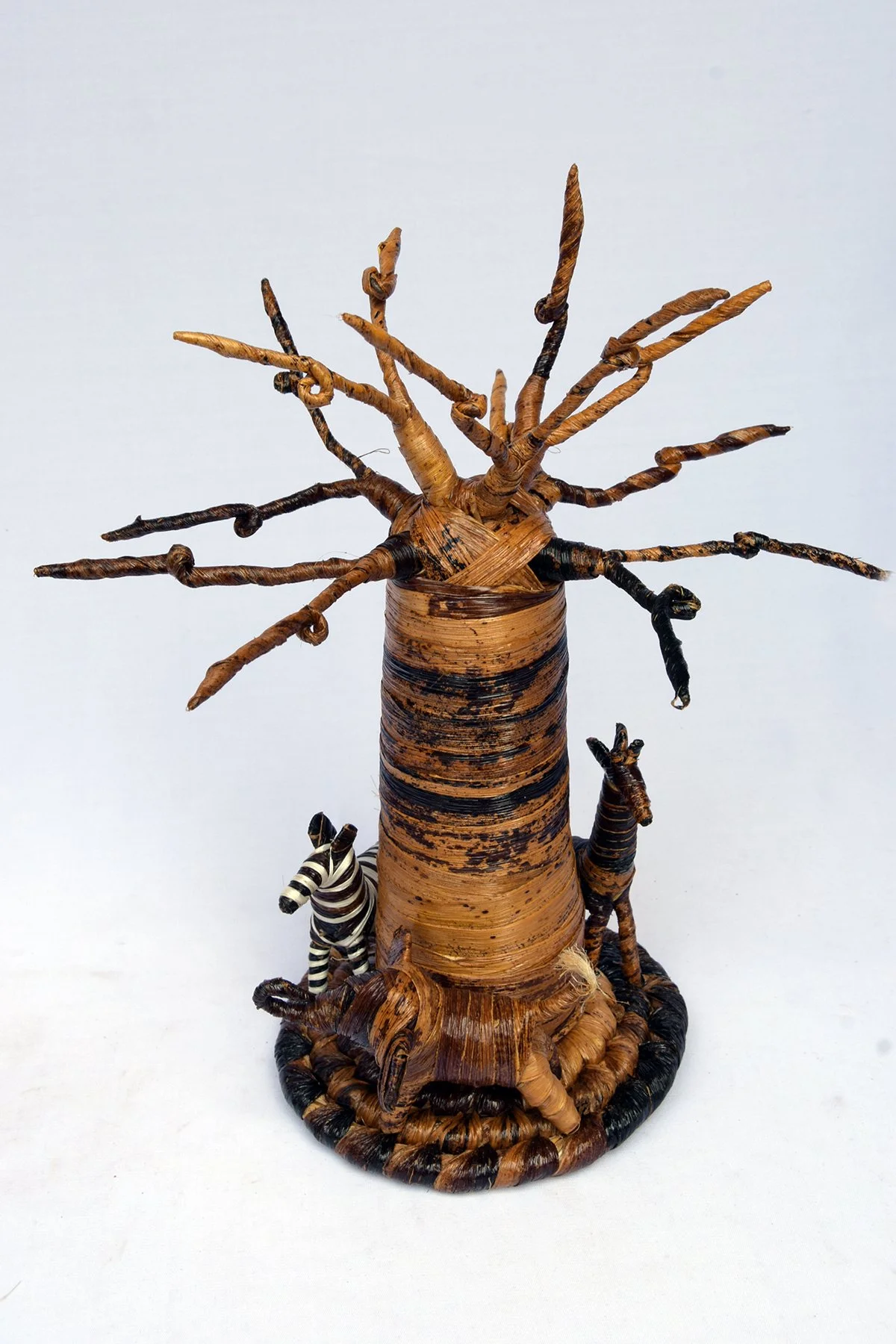 Image 7 of 8
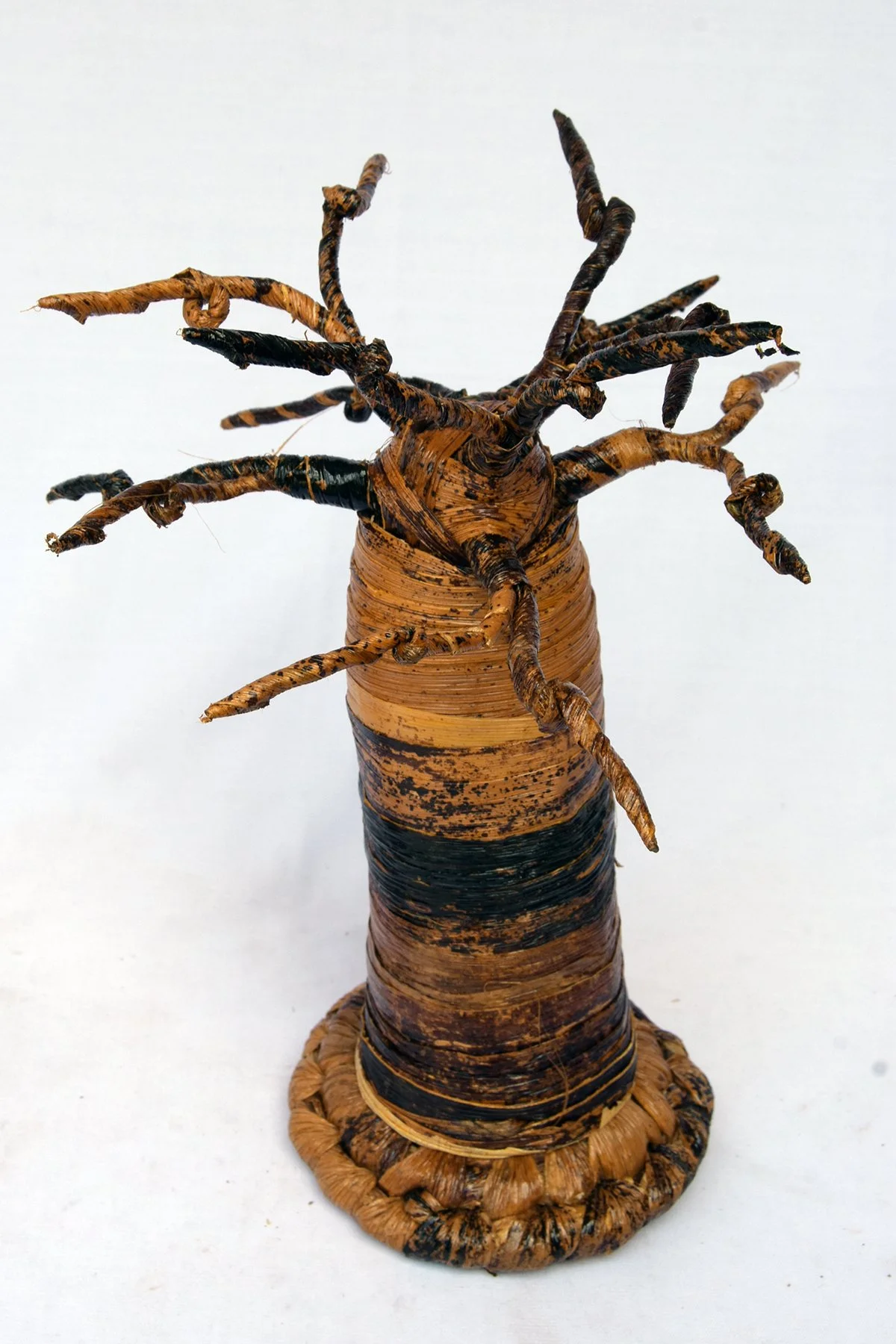 Image 8 of 8